Author: MarinerPro

  • Optimizing Vessel Turnaround: Global Port Data & PSC Inspection Readiness

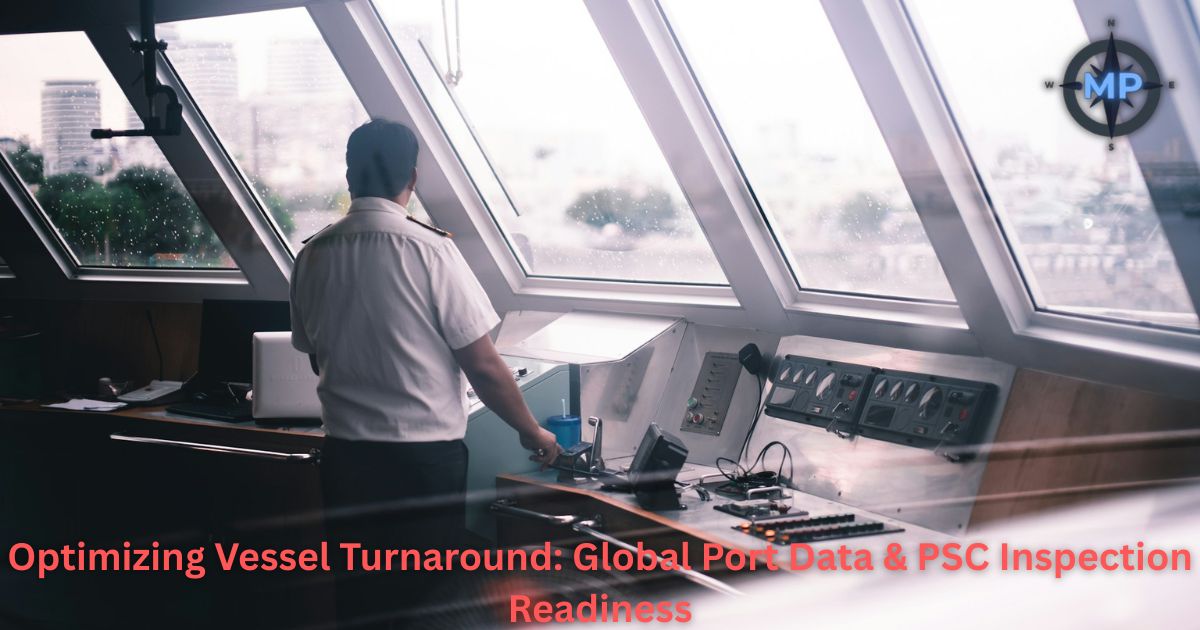
    Optimizing Vessel Turnaround: Global Port Data & PSC Inspection Readiness

    The Hidden Costs of Port Approach Delays Efficient port calls are the backbone of maritime logistics. However,vessels frequently face delays during the critical approach and berthing phases due to outdated local port regulations,unconfirmed pilot boarding stations, or sudden losses of VSAT connectivity as the ship nears the coastline.

    Critical Port Data Requirements To ensure a seamless turnaround and prevent costly demurrage, the bridge team and port agents must be perfectly aligned. Master Mariners and Chief Officers must have immediate access to:

    • Local VHF Channels & VTS Reporting: Exact frequencies and reporting points for the specific port approach.
    • Pilotage Requirements: Accurate pilot boarding arrangements and local tug fast procedures.
    • Port State Control (PSC) Targeting: Awareness of local PSC concentrated inspection campaigns (CICs) and regional focus areas (such as Paris MoU or Tokyo MoU specific requirements).

    PSC Inspection Readiness Port State Control officers expect immediate presentation of vessel documentation and compliance records upon boarding. Scrambling to download updated circulars or port-specific checklists on slow cellular roaming networks is a massive red flag that can trigger a more detailed inspection.

    🚢 Approaching a new port with zero cell service? Do not let a dropped internet connection delay your berthing or compromise your PSC inspection.

    Download MarinerPro to access a massive offline database of global port data, VHF channels, pilotage requirements, and critical maritime regulations before you even drop anchor.


  • Vessel Efficiency Upgrades: Wartsila Energo Flo & XGIT Coating Application Best Practices

    Vessel Efficiency Upgrades: Wartsila Energo Flo & XGIT Coating Application Best Practices

    Optimizing Hydrodynamic Performance in Dry Dock With strict EEXI and CII regulations in force, optimizing vessel hydrodynamic efficiency during scheduled dry-docking is no longer optional. Two of the most effective interventions for reducing fuel consumption and greenhouse gas emissions are the installation of wake-equalizing devices and advanced foul-release coatings.

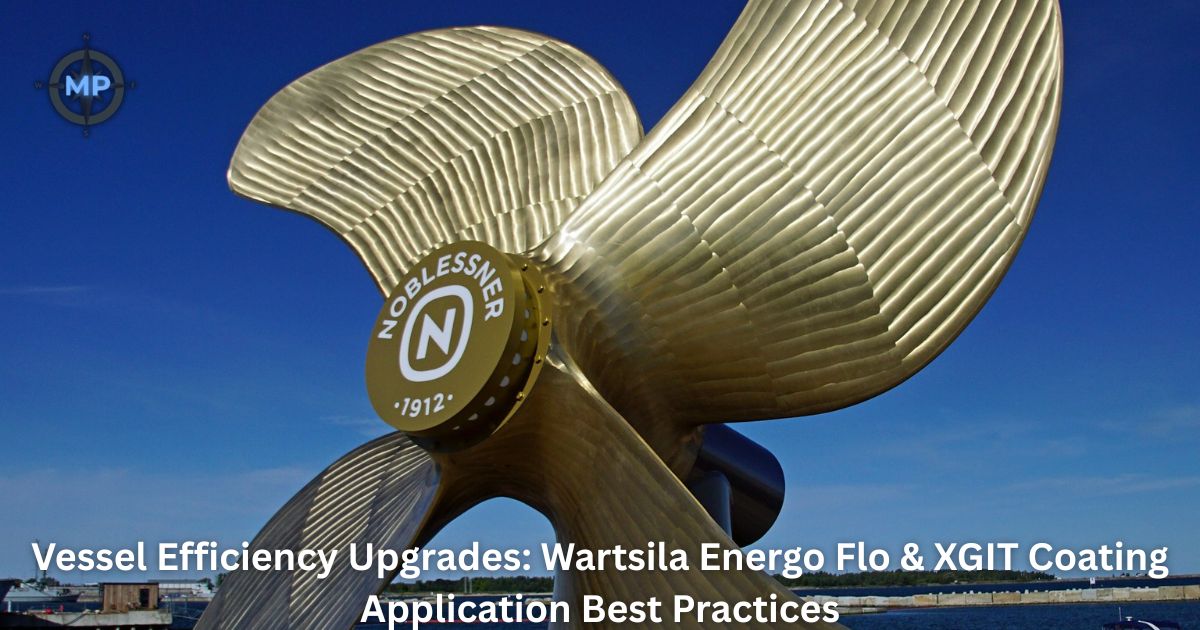
    Wartsila Energo Flo Installation The Wartsila Energo Flo is a highly effective energy-saving device featuring stator fins that optimize the water flow into the propeller. Proper installation requires meticulous coordination between the shipyard and the technical team. Precision in welding the fins to the hull and ensuring exact alignment with the propeller shaft axis is critical. Misalignment can negate the fuel-saving benefits and induce unwanted vibrations.

    XGIT Propeller & Hull Coating Procedures Applying an XGIT propeller coating or executing full hull painting procedures requires strict environmental control. To achieve the lowest possible friction coefficient:

    • Surface Preparation: The propeller must be polished to the manufacturer’s exact roughness standard before application.
    • Curing Times: Coating applications must strictly follow temperature and humidity guidelines to ensure proper curing and long-term adhesion.
    • Inspection: Thorough dry-film thickness (DFT) checks must be documented at every stage.

    ⚙️ Managing a dry dock with spotty internet? Technical Superintendents and Chief Engineers can’t afford to lose access to installation manuals and ER diagnostic checklists when shipyard Wi-Fi drops.

    Download MarinerPro to access your complete offline database of maintenance procedures, diagnostics, and global port data—right in your pocket.It’s 100% offline & Free.

  • Managing Seafarer Fatigue: MLC 2006 Rest Hours & Crew Wellness Strategies

    Managing Seafarer Fatigue: MLC 2006 Rest Hours & Crew Wellness Strategies

    The Silent Safety Risk at Sea: Crew Fatigue Fatigue remains one of the leading contributing factors to maritime accidents and navigational errors. Extended contracts, high-tempo port turnarounds, and isolation all take a toll on crew wellness. Managing seafarer mental health and physical exhaustion is not just a personal responsibility—it is a critical safety operational requirement.

    Strict Compliance with MLC 2006 & STCW Rest Hours To combat exhaustion, the Maritime Labour Convention (MLC, 2006) and STCW strictly mandate minimum hours of rest. Master Mariners and crew must rigorously track these hours to ensure compliance and avoid Port State Control (PSC) deficiencies.

    • Minimum Rest: A minimum of 10 hours of rest in any 24-hour period, and 77 hours in any 7-day period.
    • Rest Periods: The daily hours of rest may be divided into no more than two periods, one of which must be at least 6 hours in length.
    • Documentation: Accurate, up-to-date timesheets are mandatory and frequently scrutinized during inspections.

    Strategies for Onboard Wellness Beyond regulatory compliance, maintaining high morale requires proactive wellness strategies. Ensuring proper sleep hygiene, providing access to offline entertainment, and having clear protocols for medical and mental health emergencies are vital when disconnected from shore support.

    🧠 Managing crew welfare without an internet connection? When you are in the middle of the ocean, you cannot rely on a Google search to check MLC regulations, medical first-aid guides, or crew rights documentation.

    Download MarinerPro to equip your crew with 100% offline access to critical MLC 2006 documentation, medical guides, and safety protocols—accessible instantly, no Wi-Fi required.

  • Marshall Islands MSA-2026-02: Enclosed Space Entry Incidents (PDF Download)

    Marshall Islands MSA-2026-02: Enclosed Space Entry Incidents (PDF Download)

    What is Marshall Islands MSA-2026-02? The Republic of the Marshall Islands (RMI) Maritime Administrator has issued Marine Safety Advisory No. 04-25 (MSA-2026-02) to address a recurring and critical rise in enclosed space entry incidents resulting in seafarer fatalities.

    Despite existing SOLAS regulations and IMO Resolution A.1050(27), vessels continue to experience catastrophic incidents due to improper gas testing, failure to follow permit-to-work procedures, and hasty rescue attempts.

    Key Requirements & Takeaways for Master Mariners:

    • Mandatory Drills: Enclosed space entry and rescue drills must be conducted at regular intervals as stipulated by SOLAS Chapter III, Regulation 19.
    • Atmosphere Testing: Prior to entry, the atmosphere must be tested with calibrated multi-gas detectors for oxygen deficiency, flammable gases, and toxic vapors.
    • Strict Permit-to-Work Compliance: No crew member may enter an enclosed space without a fully authorized and signed permit issued by the Master or a designated responsible officer.
    • Emergency Rescue Protocol: In the event of a casualty, no additional crew members are to enter the space without proper SCBA equipment and outside support.

    ⚓ Need to read this full circular while at sea? Seafarers know that Starlink and VSAT cut out when you need them most. Don’t get caught without your documentation during a Port State Control inspection or a critical safety briefing.

    Download MarinerPro to access the complete, unredacted PDF for MSA-2026-02, plus thousands of other IMO and Flag State regulations—100% offline & Free.