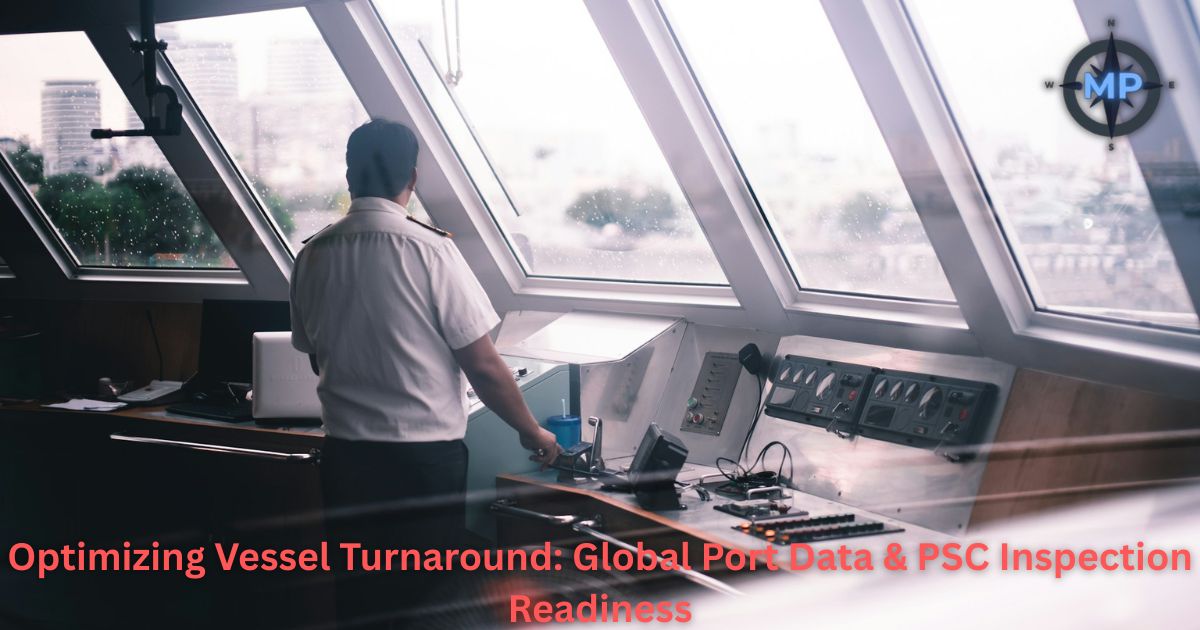
The Hidden Costs of Port Approach Delays Efficient port calls are the backbone of maritime logistics. However,vessels frequently face delays during the critical approach and berthing phases due to outdated local port regulations,unconfirmed pilot boarding stations, or sudden losses of VSAT connectivity as the ship nears the coastline.
Critical Port Data Requirements To ensure a seamless turnaround and prevent costly demurrage, the bridge team and port agents must be perfectly aligned. Master Mariners and Chief Officers must have immediate access to:
- Local VHF Channels & VTS Reporting: Exact frequencies and reporting points for the specific port approach.
- Pilotage Requirements: Accurate pilot boarding arrangements and local tug fast procedures.
- Port State Control (PSC) Targeting: Awareness of local PSC concentrated inspection campaigns (CICs) and regional focus areas (such as Paris MoU or Tokyo MoU specific requirements).
PSC Inspection Readiness Port State Control officers expect immediate presentation of vessel documentation and compliance records upon boarding. Scrambling to download updated circulars or port-specific checklists on slow cellular roaming networks is a massive red flag that can trigger a more detailed inspection.
🚢 Approaching a new port with zero cell service? Do not let a dropped internet connection delay your berthing or compromise your PSC inspection.
Download MarinerPro to access a massive offline database of global port data, VHF channels, pilotage requirements, and critical maritime regulations before you even drop anchor.


Leave a Reply